
Understanding the Concept of Shifting for Nonprofits
shifting nonprofit

Understanding the Concept of Shifting for Nonprofits

Discover how strategic organizational shifts can unlock new levels of impact and sustainability for your mission-driven work.

Start Your Shift Today

Key Takeaways

  • ✓ Shifting in nonprofits refers to intentional, strategic adjustments to mission, operations, or funding models.
  • ✓ It is a proactive response to external changes (e.g., economic, social, technological) and internal evaluations.
  • ✓ Successful shifting requires strong leadership, stakeholder engagement, and a culture of adaptability.
  • ✓ The ultimate goal of shifting is to enhance a nonprofit's relevance, effectiveness, and long-term sustainability.

How It Works

1
Assess Current Landscape

Evaluate internal strengths and weaknesses, and external opportunities and threats (SWOT analysis). Understand the evolving needs of your community and funding environment.

2
Define the 'Shift'

Clearly articulate what needs to change, why it's necessary, and what the desired outcomes are. This could involve programmatic, operational, or strategic model adjustments.

3
Plan and Communicate

Develop a detailed action plan, including resources, timelines, and responsibilities. Transparently communicate the reasons for the shift and its benefits to all stakeholders.

4
Implement and Iterate

Execute the plan, monitoring progress and gathering feedback. Be prepared to make further adjustments based on real-world results and lessons learned during the process.

The Imperative for Strategic Shifting in the Nonprofit Sector

Group of volunteers smiling while sorting donation boxes indoors for a charity organization. Photo: Gustavo Fring / Pexels
In an ever-evolving world, the notion of 'shifting' for nonprofits is no longer a luxury but a fundamental necessity for survival and sustained impact. Understanding the Concept of Shifting means recognizing that the environment in which nonprofits operate is dynamic, influenced by economic fluctuations, technological advancements, changing societal needs, and philanthropic trends. For organizations dedicated to public good, staying stagnant is tantamount to obsolescence. The ability to adapt, pivot, and strategically reorient is what differentiates enduring organizations from those that fade away. This strategic agility, or 'shifting,' encompasses a wide range of transformations: from refining program delivery methods to adopting new fundraising strategies, from overhauling internal governance structures to completely re-evaluating the core mission in light of new challenges. It's about proactive evolution, not reactive crisis management. For instance, a nonprofit focused on youth mentorship might need to shift from in-person programs to robust online platforms to reach a wider audience or adapt to public health guidelines. Similarly, an environmental advocacy group might shift its focus from local conservation to broader policy influence as climate change impacts become more pronounced. These shifts are often driven by a deep understanding of impact measurement, recognizing that what worked yesterday may not be the most effective approach today. Building a sustainable nonprofit hinges on this capacity for intentional change. It requires leadership that is visionary yet grounded in operational realities, willing to challenge the status quo and embrace innovation. The process of shifting is rarely simple; it involves navigating internal resistance, managing stakeholder expectations, and often, securing new resources. However, the rewards—increased relevance, greater impact, enhanced efficiency, and long-term viability—far outweigh the challenges. Embracing the concept of shifting means fostering a culture of continuous learning and adaptation, positioning the nonprofit to not only weather storms but to thrive and amplify its mission in an unpredictable future. It's a commitment to being perpetually responsive to the communities served and the changing landscape of social good.

Identifying Triggers and Opportunities for Organizational Shifts

A close-up view of a hand holding a pen and examining financial charts on paper. Photo: Kindel Media / Pexels
Understanding the Concept of Shifting effectively requires an astute ability to identify both the triggers that necessitate change and the opportunities that make it beneficial. Triggers for organizational shifts can be internal or external. Externally, these might include significant changes in funding landscapes, such as a major foundation redirecting its priorities or a shift in government grant availability. Demographic shifts in the communities served, emerging social issues, or new legislation can also demand a re-evaluation of programs and services. Technological advancements, like the rise of AI or new digital communication tools, present both threats (e.g., outdated operational models) and immense opportunities (e.g., enhanced efficiency, broader reach). Economic downturns, as seen during recessions, force nonprofits to re-examine overheads, diversify revenue streams, and find more cost-effective ways to deliver impact. Internally, triggers often arise from performance reviews, strategic planning sessions, or feedback mechanisms. A program evaluation might reveal diminishing returns or a lack of alignment with current community needs. Staff turnover, evolving organizational culture, or the maturation of an organization itself can also be catalysts for change. For example, a young, agile startup nonprofit might need to shift towards more structured governance and operational procedures as it grows. Conversely, an established organization might need to shift away from rigid bureaucracy to foster innovation. The key is to develop robust monitoring systems – from regular stakeholder surveys to environmental scans and financial health checks – that provide early warning signs and highlight potential areas for adaptation. Beyond just reacting to triggers, proactive nonprofits also seek out opportunities for shifting. This could involve identifying untapped markets for services, forging new strategic partnerships, leveraging emerging technologies to improve service delivery, or exploring innovative social enterprise models to diversify income. A nonprofit might identify an opportunity to collaborate with a corporate partner, leading to a shift in their fundraising strategy from solely individual donors to a blended model. Another might see the potential in data analytics to better understand their beneficiaries' needs, leading to a shift in program design. Recognizing these opportunities requires an open mind, a willingness to experiment, and a culture that encourages creative problem-solving. It’s about viewing challenges not as roadblocks, but as invitations to innovate and grow, thereby strengthening the nonprofit's capacity to fulfill its mission. This proactive stance on identifying both triggers and opportunities is central to the successful implementation of any significant organizational shift.

See also: mintj.org.

Navigating the Challenges of Shifting: Leadership, Culture, and Resources
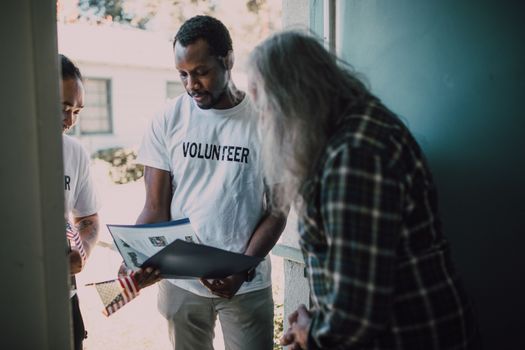
Volunteers visit a home to provide community support and discuss documents. Photo: RDNE Stock project / Pexels
Embarking on a significant organizational shift within a nonprofit is fraught with challenges, often touching upon leadership, organizational culture, and resource allocation. Understanding the Concept of Shifting inherently means preparing to confront these hurdles. Strong, adaptive leadership is paramount. Leaders must not only envision the necessity and direction of the shift but also effectively communicate its rationale, inspire confidence, and manage resistance. This involves being transparent about the reasons for change, acknowledging potential anxieties, and painting a clear picture of the benefits for the organization, its staff, and its beneficiaries. A common challenge is overcoming inertia and resistance from staff or board members who are comfortable with existing practices or fear the unknown. Effective leaders engage stakeholders early, solicit feedback, and involve key personnel in the planning process, fostering a sense of ownership rather than imposition. This participatory approach can transform potential detractors into champions of change. Organizational culture plays an equally critical role. A culture that values experimentation, learning from failure, and continuous improvement is far more conducive to successful shifting than one that is rigid and risk-averse. Nonprofits often operate with deeply ingrained values and traditions, which, while valuable, can sometimes hinder necessary evolution. Shifting might require challenging long-held beliefs or sacred cows, demanding a cultural transformation alongside strategic adjustments. This could involve fostering psychological safety, where staff feel empowered to suggest new ideas without fear of reprimand, and celebrating small wins throughout the change process. Resource allocation is another significant hurdle. Shifting often requires new investments – in technology, training, or expertise – at a time when resources might already be stretched. Nonprofits must strategically reallocate existing funds, seek new funding opportunities aligned with the shifted strategy, or even consider innovative financing mechanisms. For example, a nonprofit shifting to a more data-driven approach might need to invest in new software and data analysts, requiring a reprioritization of budget items. The challenge is to demonstrate the long-term return on investment for these new expenditures, convincing funders and stakeholders that the shift will ultimately lead to greater impact and efficiency. Furthermore, managing the human resources aspect during a shift is crucial. This could involve re-skilling staff, redefining roles, or, in some cases, making difficult staffing decisions. Providing adequate support, training, and clear communication during these transitions is vital to maintain morale and retain valuable talent. Ultimately, navigating these challenges successfully requires a blend of strategic foresight, empathetic leadership, cultural cultivation, and prudent resource management, ensuring that the shift strengthens the nonprofit's foundation rather than destabilizing it. Developing strong nonprofit leadership is key to mastering these transitions.

Practical Strategies for Implementing and Sustaining Shifting Initiatives

Implementing and sustaining organizational shifts requires a methodical approach, blending strategic planning with agile execution. One of the most effective practical strategies is to adopt a phased implementation. Instead of attempting a massive, sudden overhaul, break down the shift into smaller, manageable projects. This allows for continuous learning, adjustment, and reduces the overall risk. For example, if a nonprofit is shifting to a new client management system, they might pilot it with one program team before rolling it out across the entire organization. This iterative approach allows for feedback collection and problem-solving in a controlled environment, making the broader transition smoother. Another crucial strategy is to prioritize communication. Develop a comprehensive communication plan that addresses all stakeholder groups – staff, board, donors, volunteers, and beneficiaries. Explain the 'why' behind the shift, outlining the expected benefits and acknowledging potential concerns. Regular updates, town halls, FAQs, and dedicated communication channels can help keep everyone informed and engaged, mitigating resistance and building consensus. Transparency builds trust, which is invaluable during periods of change. Investment in capacity building is also non-negotiable. If the shift involves new technologies, processes, or programmatic approaches, ensure that staff receive adequate training and support. This might include workshops, one-on-one coaching, or access to external experts. Empowering staff with the necessary skills not only facilitates the shift but also boosts morale and confidence. For instance, if a nonprofit is shifting to incorporate more digital storytelling, providing media training and equipment can be transformative. Furthermore, establish clear metrics and evaluation frameworks to monitor the progress and impact of the shift. Define what success looks like and how it will be measured. Regular reporting against these metrics allows the organization to assess whether the shift is achieving its intended outcomes and to make data-driven adjustments as needed. This continuous feedback loop is vital for adaptive management. Finally, foster a culture of resilience and celebration. Shifting can be demanding, so it’s important to acknowledge and celebrate milestones and successes along the way, no matter how small. This reinforces positive behavior, maintains momentum, and reminds everyone of the collective progress being made. By combining these practical strategies, nonprofits can move beyond merely understanding the concept of shifting to successfully implementing and embedding it as a core competency, ensuring long-term adaptability and mission fulfillment. The goal is to make 'shifting' an inherent part of the organizational DNA, not just a one-off event. It's about building an organization that is perpetually ready to evolve and respond to new challenges and opportunities, thereby maximizing its impact for the communities it serves.

Comparison

AspectProactive ShiftingReactive Crisis ManagementStagnation
TimingAnticipatory, StrategicPost-Crisis, UrgentNever, Avoidance
OutcomeGrowth, Enhanced ImpactSurvival, Reduced ImpactIrrelevance, Failure
Resource UseEfficient, TargetedInefficient, HaphazardWasted on Outdated Models
Staff MoraleEmpowered, EngagedStressed, DisengagedDisillusioned, High Turnover
SustainabilityStrong, ResilientFragile, UncertainNon-existent

What Readers Say

"Understanding the Concept of Shifting transformed how our small arts nonprofit approaches fundraising. We moved from event-centric to diversified digital campaigns, and it's been incredibly effective. This framework helped us navigate the change with purpose."

Maria Hernandez · Seattle, WA

"Our youth development organization faced declining participation. This article on 'shifting' gave us the blueprint to re-evaluate our programs and engage our community in new ways. We're seeing a significant rebound in engagement."

David Chen · Austin, TX

"Applying the principles of understanding the concept of shifting helped our environmental group pivot from local cleanups to broader policy advocacy. Our reach and impact have grown exponentially in the last year, securing critical legislative wins."

Sarah Miller · Boston, MA

"While challenging, the ideas around 'shifting' gave our board the courage to address long-standing operational inefficiencies. It wasn't a quick fix, but the systematic approach outlined here made the process manageable and ultimately beneficial."

James O'Connell · Chicago, IL

"As a new executive director, the concept of shifting provided a clear roadmap for modernizing our animal welfare charity. We've embraced new technologies for donor engagement, leading to a 30% increase in monthly donations."

Emily Rodriguez · Denver, CO

Frequently Asked Questions

What exactly does 'shifting' mean in a nonprofit context?

In a nonprofit context, 'shifting' refers to the intentional and strategic adaptation of an organization's mission, programs, operations, or funding models in response to internal evaluations or external environmental changes. It's a proactive process aimed at enhancing relevance, impact, and sustainability, rather than a reactive response to crisis.

Is 'shifting' just another term for organizational change?

'Shifting' is a form of organizational change, but it emphasizes strategic, often fundamental, adaptations designed to re-position the nonprofit for future success and greater impact. It implies a deliberate re-evaluation of purpose and method, rather than just incremental adjustments. It's about evolving the core identity or approach.

How do we start the process of understanding the Concept of Shifting in our nonprofit?

Begin by conducting a thorough internal and external assessment. Analyze your current impact, financial health, stakeholder feedback, and the broader social, economic, and technological landscape. Identify key areas where your organization might be misaligned or could achieve greater impact through change. Then, define the desired outcomes of any potential shift.

What are the typical costs associated with a significant organizational shift?

Costs can vary widely depending on the nature of the shift. They might include investments in new technology, staff training and development, consulting fees for strategic planning, marketing for new programs, or even legal fees for structural changes. It's crucial to budget for these and potentially seek new funding sources aligned with the shifted strategy.

How does 'shifting' differ from simply improving existing programs?

While improving existing programs is valuable, 'shifting' often involves a more fundamental re-evaluation. It might mean discontinuing old programs to start new ones, changing the target beneficiary group, adopting entirely new service delivery models, or even redefining aspects of the organization's core mission to remain relevant and impactful, which goes beyond mere 'improvement'.

Who within the nonprofit should be involved in the shifting process?

Ideally, the shifting process should involve a broad range of stakeholders: the board of directors for strategic oversight, senior leadership for vision and execution, staff across various departments for operational insights and buy-in, and even beneficiaries and community partners for their invaluable perspectives on needs and impact. Inclusivity fosters stronger outcomes.

What are the biggest risks if a nonprofit fails to embrace shifting?

The biggest risks include loss of relevance, declining impact, dwindling funding, inability to attract and retain talent, and ultimately, organizational obsolescence. In a rapidly changing world, nonprofits that do not adapt risk being unable to fulfill their mission effectively or sustain their operations long-term.

How can technology facilitate understanding the Concept of Shifting?

Technology can be a powerful enabler of shifting. It can provide data for informed decision-making, facilitate new program delivery methods (e.g., online services), enhance communication with stakeholders, streamline operations, and open up new fundraising avenues. Embracing new technologies can often be a shift in itself, or a critical component of a larger organizational shift.

Embrace the power of Understanding the Concept of Shifting to build a more resilient and impactful future for your nonprofit. Start exploring how strategic adaptation can amplify your mission and better serve your community today. Your journey towards sustainable growth and enhanced effectiveness begins now.

Topics: shifting nonprofitstrategic change nonprofitnonprofit resilienceadaptive leadership nonprofit
Leo List
Brampton weed
Adultwork