Maximize Impact with Expert Nonprofit Consulting Services
nonprofit consulting services

Maximize Impact with Expert Nonprofit Consulting Services

Unlock your organization's full potential and achieve sustainable growth with tailored expert guidance.

Get a Free Consultation

Key Takeaways

  • ✓ Nonprofit consulting services offer specialized expertise to navigate unique sector challenges.
  • ✓ Strategic planning, fundraising, and governance are core areas where consultants provide immense value.
  • ✓ External perspectives can identify inefficiencies and unlock new opportunities for growth.
  • ✓ Investing in consulting can lead to long-term sustainability and increased mission impact.

How It Works

1
Initial Needs Assessment

We begin by understanding your organization's mission, current challenges, and long-term goals. This involves in-depth discussions and data review to pinpoint key areas for improvement.

2
Customized Strategy Development

Based on the assessment, we co-create a tailored strategic plan designed to address your specific needs. This plan outlines clear objectives, actionable steps, and measurable outcomes.

3
Implementation & Support

Our consultants work alongside your team to implement the strategies, providing guidance, training, and resources. We ensure a smooth transition and build internal capacity for sustained success.

4
Evaluation & Optimization

We establish metrics for success and regularly evaluate progress against the defined goals. This iterative process allows for adjustments and optimization, ensuring maximum impact and return on investment.

Understanding the Value of Nonprofit Consulting Services

Group of volunteers wearing masks sorting donations with a laptop, promoting diversity and teamwork. Photo: Gustavo Fring / Pexels
In the dynamic and often resource-constrained world of nonprofits, organizations frequently face complex challenges that can hinder their ability to achieve their mission. From navigating intricate regulatory landscapes to securing sustainable funding and optimizing operational efficiency, the demands on nonprofit leaders are immense. This is precisely where specialized nonprofit consulting services become not just beneficial, but often essential. These services offer an external, objective perspective, bringing a wealth of experience and best practices from across the sector directly to your organization. Unlike internal staff who may be deeply embedded in daily operations, consultants can step back, identify systemic issues, and propose innovative solutions without the biases or limitations that can sometimes exist within an organization. Nonprofit consultants are not merely advisors; they are strategic partners dedicated to strengthening your organization from the inside out. They possess deep expertise in areas critical to nonprofit success, including strategic planning, fundraising, board development, marketing and communications, program evaluation, and organizational change management. Their value proposition lies in their ability to diagnose problems accurately, develop actionable strategies, and help implement those strategies effectively. For instance, a consultant specializing in fundraising might identify untapped donor segments or help overhaul a major gifts program, leading to significant increases in revenue. Similarly, an expert in governance might guide a board through a restructuring process, enhancing its effectiveness and strategic oversight. Beyond specific technical skills, consultants also bring a crucial element of capacity building. They work to empower your team, transferring knowledge and skills that remain long after their engagement concludes. This ensures that the improvements made are sustainable and that your organization is better equipped to handle future challenges independently. Furthermore, for smaller nonprofits with limited internal resources, bringing in a consultant can be a cost-effective way to access high-level expertise that would otherwise be unaffordable for a full-time hire. They offer flexibility, allowing organizations to tap into specialized skills for specific projects or periods, rather than incurring the overhead of a permanent position. Ultimately, the investment in nonprofit consulting services is an investment in your mission, designed to amplify your impact and ensure your organization's long-term viability and success in serving its community.

Key Areas Where Nonprofit Consulting Services Make a Difference

Group of volunteers smiling while sorting donation boxes indoors for a charity organization. Photo: Gustavo Fring / Pexels
Nonprofit consulting services encompass a broad spectrum of expertise, addressing virtually every facet of an organization's operations and strategic direction. One of the most frequently sought areas is **Strategic Planning**. Consultants facilitate a comprehensive process to define or redefine an organization's vision, mission, and values, setting clear, measurable goals for the future. This involves environmental scans, stakeholder engagement, and the development of actionable roadmaps that ensure all efforts align with the organization's overarching purpose. A well-executed strategic plan provides a blueprint for growth, guides resource allocation, and fosters organizational cohesion. **Fundraising and Development** is another critical domain where consultants provide invaluable support. Many nonprofits struggle with diversifying their revenue streams, cultivating major donors, or launching effective capital campaigns. Fundraising consultants bring proven strategies, help develop compelling cases for support, identify potential funders, and train staff and board members in effective solicitation techniques. They can also assist with grant writing, donor relationship management (CRM) implementation, and event planning, ultimately leading to more robust and sustainable financial health. Their expertise is crucial in moving beyond short-term fundraising fixes to establishing a long-term development strategy. **Board Development and Governance** is often an overlooked but vital area. A strong, engaged, and effective board is the backbone of any successful nonprofit. Consultants can assess board effectiveness, facilitate board retreats, develop recruitment strategies for new board members, and provide training on fiduciary duties, strategic oversight, and fundraising responsibilities. They help clarify roles and responsibilities, improve board meeting efficiency, and foster a culture of accountability and engagement. This strengthens leadership, ensuring the organization is well-stewarded for the future. **Operational Efficiency and Program Evaluation** are essential for maximizing impact with limited resources. Consultants can conduct organizational assessments to identify bottlenecks, streamline processes, and recommend technology solutions that enhance productivity. They also assist in developing robust program evaluation frameworks, helping nonprofits measure their impact accurately, demonstrate effectiveness to funders, and make data-driven decisions for program improvement. This ensures that resources are allocated effectively and that programs are achieving their intended outcomes, leading to greater accountability and transparency. Finally, **Marketing and Communications** strategies are crucial for raising awareness, attracting supporters, and engaging the community. Consultants help nonprofits craft compelling narratives, develop integrated marketing plans, optimize digital presence, and manage public relations. They ensure that an organization's message resonates with its target audiences, amplifying its voice and increasing its reach. By addressing these diverse areas, nonprofit consulting services provide holistic support, enabling organizations to build stronger foundations and achieve their mission more effectively.

Choosing the Right Nonprofit Consulting Services for Your Mission
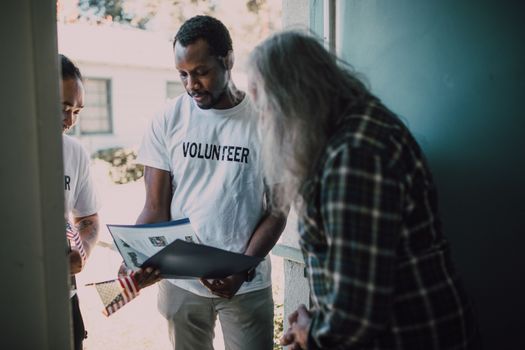
Volunteers visit a home to provide community support and discuss documents. Photo: RDNE Stock project / Pexels
Selecting the appropriate nonprofit consulting services is a critical decision that can significantly influence your organization's trajectory. It’s not just about finding a consultant; it’s about finding the *right* consultant whose expertise, values, and approach align perfectly with your unique needs and organizational culture. The first step in this process is to clearly define your organization's challenges and objectives. What specific problems are you trying to solve? What outcomes do you hope to achieve? Is it increased fundraising, improved board engagement, a new strategic plan, or perhaps better program evaluation? Having a clear scope will help narrow down the field of potential consultants. Once your needs are identified, research consultants and firms that specialize in those particular areas. Look for consultants with a proven track record of success within the nonprofit sector, specifically with organizations similar in size, mission, or geographic location to yours. Review their case studies, client testimonials, and professional affiliations. A consultant's experience in the nonprofit sphere is paramount, as they understand the unique regulatory, ethical, and operational considerations that differentiate nonprofits from for-profit entities. They should be familiar with the nuances of grant cycles, donor relations, volunteer management, and the importance of mission-driven work. Beyond technical expertise, consider the consultant's approach and methodology. Do they emphasize collaborative partnership, or do they tend to impose solutions? The most effective consulting engagements are those built on a foundation of mutual respect and active participation from your team. A good consultant will work *with* you, not just *for* you, fostering internal ownership of the solutions developed. They should be excellent communicators, capable of translating complex concepts into actionable steps and providing clear, consistent updates on progress. Don't hesitate to request proposals from several qualified consultants. A comprehensive proposal should clearly outline their understanding of your needs, their proposed scope of work, methodology, deliverables, timeline, and fee structure. Pay close attention to how they measure success and what kind of post-engagement support they offer. Interviewing potential consultants is also crucial; this allows you to assess their personality, communication style, and whether there's a good cultural fit. Ask for references and actually follow up with them. Speaking to past clients can provide invaluable insights into the consultant's reliability, effectiveness, and ability to deliver on promises. Remember, a consultant is an investment in your organization's future, so due diligence in the selection process is key to ensuring a successful and impactful partnership. Choosing the right partner in nonprofit consulting services can truly elevate your mission and secure long-term success.

Common Pitfalls to Avoid and Best Practices for Engaging Nonprofit Consulting Services

Focused view of a hand using a marker to write on a whiteboard in an indoor office setting. Photo: Micah Eleazar / Pexels
Engaging nonprofit consulting services can be transformative, but organizations must navigate the process wisely to maximize their investment. Avoiding common pitfalls and adhering to best practices ensures a more effective and fruitful partnership. One significant pitfall is **unclear objectives**. Without a well-defined scope of work and measurable goals, the engagement can drift, leading to frustration and suboptimal outcomes. Before even seeking a consultant, clarify what success looks like for your project. Another mistake is **underestimating internal capacity and commitment**. While consultants bring external expertise, your internal team's active participation and dedication are crucial for successful implementation and sustainability. If staff or board members are not fully bought in, even the best strategies can falter. Ensure your organization is ready to commit time, resources, and leadership to the consulting project. **Choosing a consultant solely on price** is also a common misstep. While budget is important, prioritizing the lowest bid over expertise, experience, and cultural fit can lead to dissatisfaction and ultimately, a wasted investment. Look for value, not just cost. A slightly higher fee for a highly experienced consultant who delivers exceptional results will often be a better investment in the long run. **Failing to establish clear communication channels and regular check-ins** can derail an engagement. Maintain open, honest dialogue with your consultant. Regular meetings, clear reporting structures, and a designated point person from your organization will ensure alignment and address issues promptly. **Best Practices for Success:** * **Define Clear Project Scope and Deliverables:** Work collaboratively with the consultant to establish specific, measurable, achievable, relevant, and time-bound (SMART) goals and deliverables. This forms the basis of your contract and expectations. * **Assign a Dedicated Internal Project Lead:** Designate a staff member or board member to serve as the primary liaison with the consultant. This ensures consistent communication, efficient information exchange, and internal coordination. * **Foster a Collaborative Environment:** View the consultant as an extension of your team. Encourage open dialogue, share relevant information readily, and involve key stakeholders in the process. * **Establish Metrics for Success:** Agree on how the project's success will be measured from the outset. This allows for objective evaluation of the consulting engagement's impact. * **Plan for Post-Engagement Sustainability:** Discuss with your consultant how knowledge transfer will occur and what resources or training will be provided to ensure your organization can maintain and build upon the implemented changes after their departure. * **Be Open to New Ideas and Change:** Consultants are hired for their outside perspective. Be prepared to challenge existing assumptions and embrace new approaches, even if they differ from current practices. By proactively addressing these areas, nonprofits can significantly enhance the likelihood of a successful and impactful partnership with consulting services.

Comparison

FeatureNonprofit Consulting ServicesIn-House TeamGeneral Business Consultants
Sector-Specific ExpertiseDeep knowledge of nonprofit challenges, regulations, funding.Good, but often limited to current organizational experience.Broad business knowledge, but lacks nonprofit nuances.
Objectivity & Fresh PerspectiveHigh; external view identifies systemic issues and new opportunities.Low; often too close to daily operations to see big picture.Moderate; can be objective, but may miss sector-specific context.
Capacity Building & Skill TransferFocuses on empowering staff and board for long-term self-sufficiency.Limited; often focused on executing current tasks.Varies; less emphasis on specific nonprofit governance/fundraising skills.
Cost-Effectiveness for Specialized Needs✓ (Access high-level expertise without full-time salary)✗ (High overhead for specialized, intermittent needs)✓ (Can be efficient for general business problems)
Speed of ImplementationOften faster due to specialized focus and dedicated project time.Can be slower due to competing priorities and daily tasks.Varies greatly depending on project and firm.

What Readers Say

"The nonprofit consulting services we received were exceptional. They helped us craft a strategic plan that truly aligned with our mission and engaged our board in a way we hadn't achieved before. Our organization feels re-energized."

Sarah Chen · Seattle, WA

"Our fundraising efforts were stagnant until we partnered with a consulting firm specializing in nonprofit development. Their expertise in major gifts cultivation led to a 30% increase in donations within the first year, significantly expanding our programs."

David Miller · Austin, TX

"Thanks to their operational assessment, we streamlined our volunteer management process and reduced administrative overhead by 15%. These nonprofit consulting services directly translated into more resources for our beneficiaries and a more efficient team."

Maria Rodriguez · Boston, MA

"The strategic guidance was very strong, though the initial integration with our existing team took a bit longer than anticipated. However, the long-term benefits of their governance recommendations have been invaluable for our board's effectiveness."

James O'Connell · Denver, CO

"As a small startup nonprofit, we were overwhelmed. The nonprofit consulting services provided by the team helped us establish foundational policies, a clear program evaluation framework, and a compelling communications strategy. Truly a game-changer for our early growth."

Aisha Khan · Chicago, IL

Frequently Asked Questions

What exactly do nonprofit consulting services offer?

Nonprofit consulting services offer specialized expertise to help organizations address challenges and achieve goals in areas like strategic planning, fundraising, board development, operational efficiency, program evaluation, and marketing. Consultants provide objective advice, develop actionable strategies, and often assist with implementation and capacity building, tailored specifically to the nonprofit sector's unique needs.

Is hiring a nonprofit consultant worth the investment for a small organization?

Yes, it can be highly beneficial. For small organizations with limited internal resources, nonprofit consulting services offer access to high-level expertise without the cost of a full-time hire. A well-chosen consultant can help a small nonprofit secure critical funding, streamline operations, or develop a sustainable growth strategy, ultimately providing a significant return on investment through increased impact and efficiency.

How do I choose the right nonprofit consulting firm?

To choose the right firm, first clearly define your organization's specific needs and goals. Then, research consultants with proven experience in those areas and within the nonprofit sector. Look for good client testimonials, a collaborative approach, and request detailed proposals. Interview potential candidates to assess their expertise, communication style, and cultural fit with your organization.

What is the typical cost structure for nonprofit consulting services?

Cost structures vary widely depending on the consultant's experience, the project's scope, and duration. Common models include hourly rates, project-based fees, or retainer agreements. Some consultants may offer tiered services or pro bono work for very small or new nonprofits. Always ensure the fee structure and all deliverables are clearly outlined in a written contract before beginning the engagement.

How do nonprofit consulting services differ from general business consulting?

Nonprofit consulting services are distinct because they deeply understand the unique mission-driven nature, governance structures, funding models (grants, donations), and regulatory environment of the nonprofit sector. While general business consultants focus on profit maximization, nonprofit consultants prioritize mission impact, sustainability, and effective stewardship of public trust and donor funds.

Who typically benefits most from nonprofit consulting services?

Organizations facing significant growth opportunities, undergoing leadership transitions, struggling with fundraising, needing strategic direction, or seeking to improve operational efficiency benefit most. Nonprofits looking to expand their programs, enhance board effectiveness, or measure their impact more accurately also find immense value in specialized consulting expertise.

What are the risks of not engaging nonprofit consulting services when needed?

The risks include stagnation in growth, declining donor engagement, inefficient operations, weak governance, and ultimately, a reduced ability to achieve your mission. Without an objective external perspective, organizations can miss critical opportunities for improvement or fail to adapt to changing sector demands, leading to decreased impact and potential long-term sustainability issues.

How are nonprofit consulting services adapting to new trends like AI and virtual engagement?

Nonprofit consulting services are increasingly incorporating new technologies. Consultants are helping organizations leverage AI for data analysis, donor segmentation, and personalized outreach. They also guide nonprofits in optimizing virtual engagement strategies for fundraising, program delivery, and volunteer management, ensuring organizations remain relevant and impactful in a rapidly evolving digital landscape.

Ready to elevate your nonprofit's impact and achieve lasting change? Explore how expert nonprofit consulting services can empower your mission, optimize your operations, and secure a brighter future for the communities you serve. Contact us today for a personalized consultation and take the first step towards unlocking your organization's full potential.

Topics: nonprofit consulting servicesnonprofit strategic planningfundraising consulting for nonprofitsnonprofit capacity buildingnonprofit governance
Leo List
Brampton weed
Adultwork