✓ Nonprofits must comply with both federal and state regulations.
✓ The IRS Form 990 series is a critical annual filing for most tax-exempt organizations.
✓ Failure to comply can result in fines, loss of tax-exempt status, and reputational damage.
✓ Board governance, financial transparency, and fundraising disclosures are key areas of compliance.
How It Works
1
Understand Federal Mandates
Familiarize yourself with IRS requirements, primarily focusing on 501(c)(3) status maintenance and annual Form 990 filings. This forms the bedrock of your compliance efforts.
2
Navigate State-Specific Rules
Research and comply with the unique registration, reporting, and charitable solicitation requirements of each state where your nonprofit operates or solicits funds. State laws vary significantly.
3
Implement Internal Controls
Establish robust internal policies and procedures for financial management, governance, and data privacy to ensure ongoing adherence. This proactive approach minimizes risks.
4
Regularly Review & Adapt
Compliance is not a one-time event; regularly review legal updates, internal practices, and board policies to adapt to evolving regulations. Stay informed to stay compliant.
Understanding Federal Nonprofit Compliance Requirements US
Photo: RDNE Stock project / Pexels
Operating a nonprofit organization in the United States comes with a profound responsibility to adhere to a complex web of federal regulations. At the core of these nonprofit compliance requirements US lies the Internal Revenue Service (IRS), which grants and oversees the tax-exempt status of most charitable organizations under Section 501(c)(3) of the Internal Revenue Code. Obtaining this status is merely the first step; maintaining it requires continuous diligence and adherence to specific rules designed to ensure public trust and accountability. The most prominent federal requirement is the annual filing of Form 990, an informational return that provides the IRS and the public with a detailed overview of the organization's finances, governance, and activities. There are various versions of Form 990, such as 990-EZ for smaller organizations, 990-PF for private foundations, and 990-N (e-Postcard) for very small nonprofits. Selecting the correct form and accurately completing it is paramount, as errors or omissions can lead to penalties, loss of tax-exempt status, and public scrutiny. This form requires disclosures on executive compensation, fundraising expenses, program service accomplishments, and significant changes in activities or governance. Transparency in these areas is not just a legal obligation but also a cornerstone of donor confidence. Beyond the annual Form 990, federal compliance extends to employment laws, particularly for nonprofits with employees. This includes adherence to the Fair Labor Standards Act (FLSA) regarding minimum wage and overtime, payroll tax obligations (Social Security, Medicare, federal unemployment tax), and workplace safety regulations set by the Occupational Safety and Health Administration (OSHA). Nonprofits must also comply with anti-discrimination laws enforced by the Equal Employment Opportunity Commission (EEOC), ensuring fair hiring practices and a respectful workplace environment. Furthermore, if a nonprofit engages in lobbying or political activities, specific federal regulations limit the extent of such involvement to maintain 501(c)(3) status. While some lobbying is permitted, substantial lobbying or direct intervention in political campaigns can jeopardize tax exemption. Understanding these limits is crucial for advocacy-focused organizations. Additionally, organizations handling significant donations, especially from foreign sources, or engaging in international activities, may face specific reporting requirements under the Department of the Treasury and other agencies. The PATRIOT Act, for instance, imposes certain obligations related to anti-money laundering, even for nonprofits. Finally, for nonprofits that receive federal grants, there's an additional layer of compliance, often dictated by the grant-making agency, which can include specific reporting, auditing, and programmatic requirements. A comprehensive understanding of these federal mandates is the bedrock upon which a compliant and sustainable nonprofit is built, safeguarding its mission and its ability to serve the public good.
Navigating State-Specific Nonprofit Compliance Requirements US
Photo: Travel with Lenses / Pexels
While federal regulations provide a baseline for nonprofit operations, the landscape of nonprofit compliance requirements US becomes significantly more intricate at the state level. Each of the 50 states, plus the District of Columbia, has its own unique set of laws governing charitable organizations, often adding layers of complexity to an already challenging framework. One of the most common and critical state-level requirements is charitable solicitation registration. Most states require nonprofits that solicit donations from their residents to register with the state's attorney general or secretary of state's office. This applies not only to organizations physically located within a state but often to those that solicit funds online, through mail, or by phone from residents of that state, even if the nonprofit itself is based elsewhere. The definition of 'solicitation' can be broad, encompassing website donation buttons, grant applications, and direct mail campaigns. Failure to register can lead to significant penalties, including fines, injunctions, and even criminal charges in some jurisdictions. These registrations typically require annual renewals and the submission of financial reports, often mirroring information provided on the federal Form 990. Beyond fundraising, states also impose various corporate governance and reporting requirements. Nonprofits are typically incorporated at the state level, usually with the Secretary of State's office. This requires initial filing of articles of incorporation and often annual or biennial reports to maintain corporate good standing. These reports usually confirm the organization's registered agent, board members, and address. Maintaining good standing is essential for legal operation and often a prerequisite for charitable solicitation registrations and grant funding. Furthermore, states have their own labor laws that complement or expand upon federal regulations. This includes state minimum wage laws, which may be higher than the federal minimum, state-specific overtime rules, workers' compensation insurance mandates, unemployment insurance contributions, and state income tax withholding. Nonprofits with employees must carefully track and comply with these state-specific employment laws to avoid legal issues. Sales tax exemptions are another area of state-level variation. While 501(c)(3) status grants federal income tax exemption, it does not automatically exempt an organization from state sales tax on purchases or property taxes. Nonprofits typically need to apply separately for these exemptions with the relevant state tax authorities. The criteria and processes for obtaining and maintaining these exemptions vary widely by state. Finally, some states have specific laws related to lobbying and advocacy, even for 501(c)(3) organizations, that differ from federal regulations. Nonprofits engaging in state-level advocacy must be aware of these local lobbying registration and reporting requirements. The diverse and often overlapping nature of state compliance mandates necessitates a proactive and geographically informed approach, often requiring legal counsel experienced in multi-state charitable regulations to ensure comprehensive adherence and avoid costly oversights.
Essential Governance and Financial Nonprofit Compliance Requirements US
Photo: Christina Morillo / Pexels
Effective governance and rigorous financial management are not just best practices; they are critical nonprofit compliance requirements US that underpin an organization's legal standing and public trust. A well-structured and actively engaged board of directors is fundamental. The board is legally responsible for overseeing the organization's mission, finances, and operations. This includes ensuring compliance with all applicable federal and state laws. Key governance compliance aspects include having clearly defined bylaws, which outline the board's structure, roles, responsibilities, and decision-making processes. Regular board meetings, proper record-keeping of minutes, and adherence to conflict-of-interest policies are also paramount. Many states require a certain number of independent board members and have specific rules regarding board member compensation. Transparency in governance, including making certain organizational documents (like Form 990s and exemption applications) publicly available, is a federal mandate for 501(c)(3) organizations, fostering accountability to donors and the community. Financial compliance is equally stringent. Beyond the annual IRS Form 990, nonprofits must maintain accurate and complete financial records that clearly demonstrate how funds are received, spent, and managed. This includes proper accounting for all donations, grants, program expenses, and administrative costs. Adherence to Generally Accepted Accounting Principles (GAAP) is expected, and for organizations exceeding certain revenue thresholds, annual financial audits conducted by independent certified public accountants may be required by state law, grant agreements, or internal policy. Audits provide an external verification of financial statements, enhancing credibility and identifying potential compliance gaps. Proper internal controls are a cornerstone of financial compliance. This involves establishing policies and procedures to prevent fraud, waste, and mismanagement. Examples include segregation of duties (e.g., the person who writes checks should not be the same person who approves invoices or reconciles bank accounts), regular bank reconciliations, budget oversight, and robust expense approval processes. These controls protect the organization's assets and ensure funds are used in accordance with its mission and donor intent. Furthermore, specific financial compliance considerations arise from donor restrictions. When donors earmark contributions for particular programs or purposes, the nonprofit is legally obligated to use those funds as specified. Tracking restricted funds separately from unrestricted funds is a crucial accounting practice that prevents commingling and demonstrates stewardship. Any deviation from donor intent can lead to legal action and significant reputational damage. Nonprofit organizations must also be mindful of unrelated business income tax (UBIT). If a nonprofit regularly conducts a trade or business that is not substantially related to its exempt purpose, the income generated from such activities may be subject to federal income tax, even if the organization is otherwise tax-exempt. Identifying and properly reporting UBIT is a key compliance area that often requires careful analysis. In essence, robust governance and meticulous financial management are not merely operational necessities but integral components of maintaining tax-exempt status and fulfilling the public trust placed in nonprofit organizations, demanding continuous vigilance and adherence to a detailed regulatory framework.
Common Compliance Mistakes and How to Avoid Them
Photo: Mikhail Nilov / Pexels
Navigating the intricate landscape of nonprofit compliance requirements US can be challenging, and even well-intentioned organizations can fall prey to common mistakes. Understanding these pitfalls is the first step toward avoiding them and ensuring your nonprofit's long-term sustainability and legal standing. Here are some prevalent errors and practical strategies to mitigate them:
* **Failing to File Form 990 Annually:** This is perhaps the most critical and common federal compliance failure. Many small organizations, particularly those with volunteer staff, mistakenly believe they are exempt or simply forget. The IRS can automatically revoke tax-exempt status for organizations that fail to file their Form 990 for three consecutive years. Even if your organization is small enough to file the 990-N (e-Postcard), it must still be filed. **Solution:** Establish a clear annual calendar reminder for Form 990 filing, ideally well in advance of the deadline, and assign clear responsibility for its completion and submission.
* **Ignoring State Charitable Solicitation Registrations:** As discussed, soliciting funds across state lines triggers state-specific registration requirements. Many nonprofits, especially those with an online presence, inadvertently solicit in multiple states without registering. **Solution:** Conduct an annual audit of your fundraising activities and geographical reach. Utilize resources like the National Association of State Charity Officials (NASCO) or specialized compliance software to identify all states where registration is required and ensure timely filings and renewals.
* **Inadequate Board Oversight and Conflict of Interest Policies:** A passive board or one without a robust conflict of interest policy can lead to poor decision-making, self-dealing, and reputational damage. **Solution:** Ensure your board is diverse, engaged, and regularly trained on their fiduciary duties. Implement and strictly enforce a written conflict of interest policy, requiring annual disclosures from all board members and key employees.
* **Poor Record-Keeping and Financial Controls:** Disorganized financial records make IRS audits a nightmare and hinder effective financial management. Lack of internal controls invites fraud and mismanagement. **Solution:** Implement a robust accounting system, regularly reconcile bank statements, segregate financial duties, and conduct periodic internal financial reviews or independent audits. Keep all financial and governance documents meticulously organized and accessible.
* **Misunderstanding UBIT (Unrelated Business Income Tax):** Engaging in revenue-generating activities that are not substantially related to the exempt purpose without properly identifying and reporting UBIT can lead to penalties and even threaten tax-exempt status. **Solution:** Regularly review all revenue streams with a knowledgeable accountant or legal counsel to determine if any constitute unrelated business income and ensure proper reporting on Form 990-T.
* **Failure to Comply with Employment Laws:** Nonprofits, like any employer, must adhere to federal and state labor laws, including minimum wage, overtime, payroll taxes, and anti-discrimination. **Solution:** Consult with an HR professional or employment attorney to ensure all hiring practices, employee classifications (employee vs. independent contractor), and payroll procedures comply with both federal and state regulations.
By proactively addressing these common areas of non-compliance, nonprofits can significantly reduce their risk exposure, protect their tax-exempt status, and ensure they can continue to focus on their vital missions without unnecessary legal distractions.
Comparison
Compliance Aspect
Federal (IRS)
State (Example: CA)
Best Practice
Tax-Exempt Status
501(c)(3) determination letter
Recognized by state Franchise Tax Board
Maintain good standing with both
Annual Information Return
Form 990 series
Form 199 or CT-TR-1 (CA)
File correct form on time, every year
Charitable Solicitation
No direct federal registration
Register with Attorney General's Office (CA)
Register in every state where you solicit
Corporate Status
✓
✓ (Secretary of State)
File annual/biennial reports
Sales Tax Exemption
✗
✓ (Apply with CDTFA in CA)
Apply separately for state exemptions
Lobbying Limits
Substantial part test
Specific state lobbying laws
Track lobbying expenditures carefully
What Readers Say
★★★★★
"This guide on nonprofit compliance requirements US was a lifesaver for our small arts organization. It demystified the Form 990 process and highlighted critical state filings we were overlooking. We now have a much clearer roadmap."
Sarah Chen · Austin, TX
★★★★★
"As a new executive director, the sheer volume of nonprofit compliance requirements US felt overwhelming. This article broke it down into manageable, actionable steps, giving me the confidence to lead our team effectively."
David Ramirez · Chicago, IL
★★★★★
"Thanks to the insights on state charitable solicitation, our organization avoided significant penalties. We implemented a multi-state registration strategy that ensures we're compliant wherever we reach donors, directly impacting our fundraising success."
Maria Rodriguez · Miami, FL
★★★★★
"The information on governance and financial controls was particularly valuable. While we had some systems in place, this guide helped us identify areas for improvement, particularly regarding board engagement and conflict of interest policies."
John Kim · Seattle, WA
★★★★★
"Our nonprofit was struggling with UBIT classification. This article provided a clear, concise explanation that helped us understand our obligations and correctly report our income, ensuring we maintain our tax-exempt status without issues."
Emily White · Denver, CO
Frequently Asked Questions
What are the most critical nonprofit compliance requirements US?
The most critical requirements include maintaining federal 501(c)(3) tax-exempt status by filing the annual Form 990 series with the IRS, complying with state charitable solicitation registrations in every state where you raise funds, and adhering to state corporate governance and annual reporting mandates to maintain good standing.
Can a small nonprofit ignore some compliance requirements?
No, even small nonprofits must comply with fundamental requirements. While the complexity of some filings (like Form 990) might be reduced for smaller organizations (e.g., filing Form 990-N), core obligations like maintaining tax-exempt status, proper record-keeping, and state registrations still apply. Ignoring them can lead to penalties or loss of status.
How do I know which states require my nonprofit to register for fundraising?
Generally, if your nonprofit solicits donations from residents of a particular state, you are likely required to register in that state. This includes online solicitations, direct mail, and phone calls. It's crucial to research each state's specific laws, as definitions of 'solicitation' and registration thresholds vary. Resources like the National Association of State Charity Officials (NASCO) website can be a helpful starting point, or consult with legal counsel specializing in multi-state charitable compliance.
What are the potential costs of non-compliance for a nonprofit?
The costs of non-compliance can be severe. They include financial penalties and fines from the IRS and state agencies, loss of tax-exempt status (meaning donors can no longer deduct contributions), damage to reputation and donor trust, and potential legal action. In extreme cases, individuals responsible for governance may face personal liability.
How does compliance for a 501(c)(3) differ from other nonprofit types?
501(c)(3) organizations (public charities and private foundations) have specific federal compliance requirements related to their charitable purpose, including limitations on lobbying and political activity, and strict rules on private inurement and excess benefit transactions. Other nonprofit types (e.g., 501(c)(4) social welfare organizations or 501(c)(6) trade associations) have different exempt purposes and, consequently, different compliance rules and limitations, particularly regarding political activity and membership benefits.
Who within a nonprofit is ultimately responsible for ensuring compliance?
Ultimately, the nonprofit's board of directors holds fiduciary responsibility for ensuring overall compliance. While the executive director and staff manage day-to-day operations and specific filings, the board is responsible for setting policies, overseeing financial management, and ensuring that the organization operates within legal and ethical boundaries. They should have a clear understanding of key compliance areas and receive regular reports.
Are there specific compliance risks for nonprofits engaging in international activities?
Yes, nonprofits engaged in international activities face additional compliance risks. These include adherence to U.S. anti-terrorism financing laws, sanctions programs administered by the Office of Foreign Assets Control (OFAC), anti-money laundering regulations, and specific reporting requirements for international grants or transfers. They must also navigate the legal frameworks of the countries in which they operate, which can be complex.
What future trends might impact nonprofit compliance requirements US?
Future trends impacting nonprofit compliance could include increased scrutiny on executive compensation, greater transparency demands for donor-advised funds, evolving regulations around data privacy and cybersecurity (especially with increased online fundraising), and potential changes in how unrelated business income is defined and taxed. Staying abreast of legislative changes and IRS guidance will be crucial.
Mastering nonprofit compliance requirements US is not just about avoiding penalties; it's about safeguarding your mission and maximizing your impact. Take proactive steps today to ensure your organization's legal health and continue serving your community with confidence and integrity.

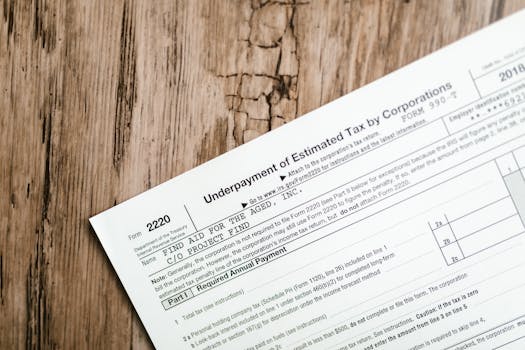 Photo: RDNE Stock project / Pexels
 Photo: Travel with Lenses / Pexels
 Photo: Christina Morillo / Pexels
 Photo: Mikhail Nilov / Pexels