
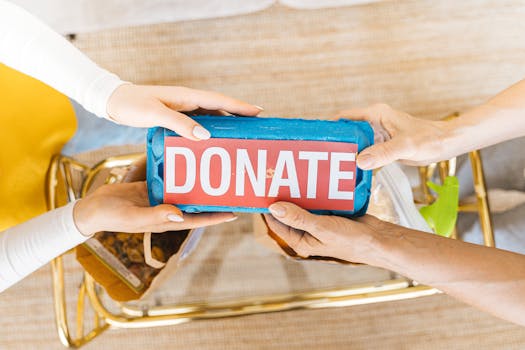
 Photo: AI25.Studio Studio / Pexels
The Profound Impact of Nonprofit Organizations
Explore how non-profits are crucial engines of social, economic, and cultural progress in communities nationwide.
Learn More NowKey Takeaways
- ✓ Nonprofits contribute over $2.6 trillion to the US economy annually.
- ✓ More than 1.5 million nonprofits operate in the United States.
- ✓ Nonprofit organizations employ over 12 million people, making them the third-largest employer.
- ✓ Roughly 25% of the adult population volunteers for a nonprofit each year.
How It Works
Nonprofits often emerge to address critical gaps in services or advocacy that are not adequately covered by government or for-profit entities. They conduct research and engage with communities to understand pressing issues.
Through fundraising, grant applications, and volunteer recruitment, nonprofits gather the necessary financial, human, and material resources. This allows them to implement programs and initiatives effectively.
With resources in hand, nonprofits deliver direct services, create awareness campaigns, advocate for policy changes, or conduct research. Their activities directly benefit target populations or causes.
Effective nonprofits continuously assess the outcomes and impact of their work, using data to refine strategies and demonstrate accountability. This transparency builds trust with donors and beneficiaries.
Economic Contributions of Nonprofit Organizations
 Photo: Mikhail Nilov / Pexels
Social and Cultural Upliftment Through Nonprofits
Innovation and Advocacy: Shaping Policy and Progress
Maximizing Nonprofit Impact: Best Practices and Avoiding Pitfalls
Comparison
| Aspect | Nonprofit Organization | For-Profit Business | Government Agency |
|---|---|---|---|
| Primary Goal | Social/Public Benefit | Financial Profit | Public Service/Policy Enforcement |
| Funding Source | Donations, Grants, Fees | Sales, Investments | Taxes, Fees |
| Accountability To | Donors, Public, Mission | Shareholders, Owners | Citizens, Elected Officials |
| Decision Driver | Mission, Community Need | Market Demand, ROI | Legislation, Public Mandate |
| Tax Status | Tax-Exempt | Taxable | Tax-Exempt (usually) |
What Our Readers Say
"The local food bank, a nonprofit, completely turned my family's situation around during a tough year. Their consistent support meant we never had to worry about our next meal, allowing us to focus on getting back on our feet."
Sarah Chen Seattle, WA"I've volunteered with several environmental nonprofits, and the dedication to conservation is truly inspiring. They're making a tangible difference in protecting our natural resources and educating the next generation."
David Rodriguez Austin, TX"Our community arts center, a nonprofit, hosts incredible free programs for kids. My daughter discovered her passion for painting there, and it's built a strong sense of community among local families."
Emily White Boston, MA"While I appreciate the work of many nonprofits, I sometimes wish there was more transparency in how all donations are allocated. Still, their overall positive impact on society is undeniable and essential."
Mark Johnson Denver, CO"As a former refugee, the support I received from a nonprofit immigrant assistance organization was life-changing. They helped me navigate a new country, find resources, and build a new home here."
Maria Garcia Miami, FLFrequently Asked Questions
What is the primary impact of nonprofit organizations?
Are nonprofits truly effective, or do they waste money?
How can I get involved and contribute to nonprofit impact?
What is the economic value of the nonprofit sector in the US?
How do nonprofits differ from government agencies in their impact?
Who benefits most from the impact of nonprofit organizations?
What are the risks associated with donating to a nonprofit?
What future trends will shape the impact of nonprofit organizations?
The impact of nonprofit organizations is undeniable and essential for a thriving society. By understanding their diverse contributions and supporting their vital work, you can play a crucial role in building stronger, healthier, and more equitable communities for all.