
Mastering the Best Quack Quack Calls for Duck Hunters
Elevate your hunting success with proven strategies and the right calls to attract waterfowl effectively.
Discover Your CallKey Takeaways
- ✓ Effective duck calling requires understanding duck vocalizations and behavior.
- ✓ There are various types of duck calls, each suited for different situations and species.
- ✓ Mastering call techniques takes practice and observation in the field.
- ✓ Ethical calling practices contribute to responsible hunting and conservation.
How It Works
Before blowing a call, listen to real ducks. Familiarize yourself with basic quacks, greetings, feeding chuckles, and comeback calls to mimic them accurately.
Select a duck call based on the species you're hunting, the environment (open water vs. timber), and your skill level. Single-reed calls offer versatility, while double-reeds are more forgiving.
Regular practice is crucial. Start with basic quacks and gradually introduce more complex sequences. Record yourself and compare it to real duck sounds for improvement.
In the field, observe duck reactions to your calls. Adapt your calling volume, cadence, and type based on their distance, flight path, and apparent interest to entice them closer.
Understanding Duck Vocalizations: The Foundation of Effective Calling
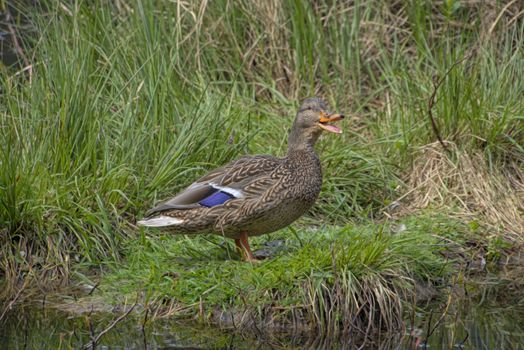 Photo: Townsend Walton / Pexels
Choosing the Right Duck Call for Every Scenario
See also: quackquack.love.
Mastering Advanced Calling Techniques and Field Application
Ethical Considerations and Common Calling Mistakes to Avoid
Comparison
| Feature | Single-Reed Call (Advanced) | Double-Reed Call (Beginner-Friendly) | Specialty Whistle (Pintail/Wigeon) |
|---|---|---|---|
| Ease of Use | More challenging, requires practice | Easier, more forgiving | Simple, species-specific |
| Sound Versatility | High (wide range of tones) | Moderate (good for basic calls) | Low (specific to one sound) |
| Volume/Distance | High, carries well | Moderate, good for close range | Moderate |
| Realism Potential | Very High (with skill) | High (consistent quacks) | High (for specific species) |
| Best for Hunter Type | Experienced, dedicated | Beginner, casual, timber hunter | Targeting specific species |
What Readers Say
"This guide on best quack quack calls completely transformed my understanding of duck behavior. My calling is more effective, and I'm seeing more ducks commit to the spread than ever before. Highly recommend!"
Mark J. · St. Louis, MO"The detailed breakdown of single vs. double-reed calls helped me choose the perfect call for my hunting style. I've practiced the techniques, and the results speak for themselves. This is a must-read for any duck hunter."
Sarah P. · Little Rock, AR"Following the advice here, I finally got those wary mallards to cup their wings and drop into my decoys. The section on advanced calling techniques, especially the comeback call, was a game-changer for my success this season."
David L. · Portland, OR"While I still need more practice with some of the advanced calls, the foundational knowledge in this article about duck vocalizations was incredibly insightful. It's truly a comprehensive resource, though some parts assume a bit of prior knowledge."
Emily R. · Green Bay, WI"As someone who hunts a lot of timber, the advice on choosing calls for specific environments was spot on. My wooden double-reed is now my go-to, thanks to this guide. My calling sounds more natural and less aggressive."
Chris T. · Shreveport, LAFrequently Asked Questions
What is the single most important factor in making the best quack quack calls for duck hunters?
The most crucial factor is understanding and accurately mimicking real duck vocalizations. This goes beyond just making a 'quack'; it involves replicating the tone, cadence, and emotion of various calls like hails, greetings, and feeding chuckles based on the situation and the ducks' reactions. Consistent practice and keen observation are essential for achieving realism.
I'm a beginner; won't buying an expensive call be a waste if I'm not good yet?
Not necessarily. While an expensive call won't magically make you an expert, a well-made call often produces better sound quality and is easier to learn on than a cheap, poorly constructed one. For beginners, a good quality double-reed call is often recommended as it's more forgiving and helps produce consistent duck-like sounds with less effort, building confidence as you learn.
How often should I practice my duck calling?
Consistent practice is key. Aim for short, focused sessions several times a week, rather than one long, infrequent session. Practice in front of a mirror to observe your mouth position, record yourself and compare to real duck sounds, and focus on specific calls like the basic quack, cluck, and greeting call before moving to more complex sequences.
Are electronic calls better than mouth calls for duck hunting?
Electronic calls are generally illegal for waterfowl hunting in the US. Mouth calls are the traditional and legal method. While electronic calls can produce perfect sounds, they remove the skill and artistry of calling, which is a core part of the hunting experience and the challenge. Ethical hunting practices emphasize fair chase, which includes using manual calls.
What's the difference between a 'hail call' and a 'greeting call'?
A 'hail call' is a loud, long series of quacks (typically 5-7) used to get the attention of distant ducks, signaling them to look your way. A 'greeting call' is a softer, more contented series of shorter quacks (typically 3-5) used when ducks are closer and appear interested, acting as a welcoming and reassuring sound to entice them to commit to your decoys.
Who benefits most from mastering advanced duck calling techniques?
Hunters who frequent pressured public lands, those targeting wary ducks, or individuals who enjoy the challenge and satisfaction of calling birds into close range will benefit most. Advanced techniques allow for greater adaptability to changing duck behavior and environmental conditions, leading to more consistent success.
Can over-calling spook ducks, and how do I avoid it?
Yes, over-calling is a common mistake that can definitely spook ducks, making them suspicious and causing them to flare away. To avoid it, learn to read the ducks' reactions. If they are locked on and heading your way, ease off the call or go silent. Use calls to grab attention and reassure, not to constantly bombard them with noise. Less is often more, especially with wary birds.
What future trends might impact duck calling or hunting?
Future trends might include advanced call materials offering new sound characteristics, integration of smart technology for practice and analysis (e.g., apps with real-time feedback), and evolving conservation efforts that could influence hunting regulations and season lengths. Understanding climate change impacts on migration patterns will also be crucial for adapting calling strategies.
Elevate your duck hunting game by mastering the best quack quack calls. With dedicated practice, ethical application, and the right tools, you'll not only increase your success but also deepen your connection to the rich tradition of waterfowl hunting. Start your journey to becoming a more effective and responsible duck caller today.