Unlocking the Benefits of Volunteering for Nonprofits
benefits of volunteering for nonprofits

Unlocking the Benefits of Volunteering for Nonprofits

Transform lives, enrich communities, and experience profound personal growth by dedicating your time to a meaningful cause.

Find Your Cause Today

Key Takeaways

  • ✓ Volunteering significantly boosts mental and physical health, reducing stress and increasing happiness.
  • ✓ Over 60 million Americans volunteer annually, contributing billions of hours to various causes.
  • ✓ Nonprofits rely heavily on volunteers, with their contributions often equating to millions in labor costs.
  • ✓ Volunteering builds valuable professional skills and expands social and professional networks.

How It Works

1
Identify Your Passions

Consider what causes resonate with you most. Aligning your values with a nonprofit's mission ensures a more fulfilling volunteer experience.

2
Research Local Nonprofits

Explore organizations in your community that address your chosen cause. Many have websites detailing their needs and volunteer opportunities.

3
Connect and Apply

Reach out to the nonprofit to express your interest. They will guide you through their application process, which may include background checks or training.

4
Engage and Grow

Commit to your role, learn new skills, and actively participate. Your contributions will make a tangible difference while you experience personal and professional growth.

The Transformative Power of Volunteer Impact on Nonprofits

A volunteer organizes food and clothing donations in a community center, maintaining records on a clipboard. Photo: Gustavo Fring / Pexels
Volunteering is often considered the lifeblood of the nonprofit sector, a powerful force that enables organizations to extend their reach, deepen their impact, and achieve missions that would otherwise be impossible. The benefits of volunteering for nonprofits are multifaceted, touching every aspect of an organization's operations, from program delivery to administrative support and fundraising. Without the dedication and passion of volunteers, many crucial services and initiatives would simply cease to exist. Consider the sheer scale of the contribution: volunteers provide countless hours of labor, translating into significant cost savings for organizations often operating on tight budgets. This financial relief allows nonprofits to allocate more resources directly to their programs and beneficiaries, amplifying their impact where it matters most. For instance, a food bank relying on volunteers to sort donations can feed more families because it doesn't have to pay staff for that task. A mentorship program can pair more at-risk youth with caring adults, expanding its reach exponentially through the power of its volunteer base. Beyond the tangible hours and financial savings, volunteers bring a diverse array of skills, experiences, and perspectives to the table. From seasoned professionals offering pro-bono legal or marketing expertise to enthusiastic students assisting with events, the collective talent pool of volunteers is an invaluable asset. This infusion of diverse skills can enhance efficiency, innovate solutions, and introduce fresh ideas that help nonprofits adapt and thrive in an ever-changing landscape. Imagine a small environmental nonprofit struggling with its social media presence. A volunteer with a background in digital marketing can transform their online engagement, reaching a broader audience and attracting more support, all without incurring significant expense. This direct application of specialized skills is a game-changer for many organizations. Moreover, volunteers act as powerful ambassadors for the nonprofit's mission. Their firsthand experience and genuine belief in the cause make them compelling advocates, helping to raise awareness, recruit new supporters, and foster a stronger sense of community around the organization's work. When volunteers share their stories and passion, they inspire others to get involved, whether through donating, advocating, or volunteering themselves. This ripple effect is crucial for building a sustainable support network. In essence, volunteers are not just helping hands; they are integral partners in the nonprofit's journey, embodying its values and driving its mission forward with unwavering commitment. Their involvement creates a virtuous cycle: the more volunteers contribute, the more effective the nonprofit becomes, which in turn attracts more volunteers and supporters, leading to even greater impact in the community. This symbiotic relationship is at the heart of successful nonprofit work, demonstrating unequivocally that the benefits of volunteering for nonprofits are profound and indispensable.

Personal Growth and Skill Development Through Giving Back

Volunteers having fun while sorting clothes at a charity event indoors. Photo: Julia M Cameron / Pexels
While the impact on nonprofits is undeniable, the benefits of volunteering for the individual are equally profound, fostering significant personal growth and skill development. Stepping into a volunteer role often pushes individuals out of their comfort zones, presenting new challenges and opportunities for learning. This exposure to diverse situations and responsibilities is a powerful catalyst for developing a wide range of soft and hard skills that are highly valued in both personal and professional spheres. One of the most immediate benefits is the enhancement of communication skills. Whether you're interacting with beneficiaries, fellow volunteers, or staff, effective communication is paramount. Volunteers learn to listen actively, articulate ideas clearly, and adapt their communication style to different audiences. This could involve explaining complex instructions to a client, collaborating with a team on a project, or engaging with the public at an awareness event. These improved communication abilities are transferable to every aspect of life, from personal relationships to workplace interactions. Furthermore, volunteering is an excellent avenue for cultivating leadership and teamwork skills. Many volunteer roles involve working collaboratively towards a common goal, requiring individuals to contribute their strengths, resolve conflicts, and support their peers. Opportunities to lead small groups, organize events, or mentor new volunteers can emerge, allowing individuals to hone their leadership capabilities in a low-pressure environment. These experiences build confidence and provide practical examples of initiative and problem-solving. Beyond these interpersonal skills, volunteering often provides opportunities to acquire specific, practical skills. A volunteer at an animal shelter might learn animal handling and care techniques. Someone assisting with a community garden project could gain knowledge in horticulture or sustainable practices. Individuals helping with office administration might develop proficiency in specific software or data management. These tangible skills can be particularly valuable for students or those looking to pivot careers, offering real-world experience that complements academic learning or professional development. For example, a marketing graduate struggling to find their first paid role might volunteer to manage a nonprofit's social media, gaining portfolio-worthy experience that makes them more competitive in the job market. The sense of purpose derived from volunteering also contributes significantly to personal growth. Knowing that your efforts are making a tangible difference in someone's life or contributing to a cause you care about can boost self-esteem and overall well-being. This intrinsic reward fosters a deeper connection to the community and a greater understanding of societal issues. It broadens one's perspective, encouraging empathy and compassion, which are vital traits for navigating a complex world. The personal stories and experiences encountered during volunteering can be incredibly humbling and inspiring, leading to a profound re-evaluation of one's own priorities and a greater appreciation for what one has. This emotional and psychological enrichment is a cornerstone of the volunteer experience, making it much more than just an activity; it's a journey of self-discovery and meaningful contribution.

Building Community and Enhancing Well-being: The Social and Health Benefits
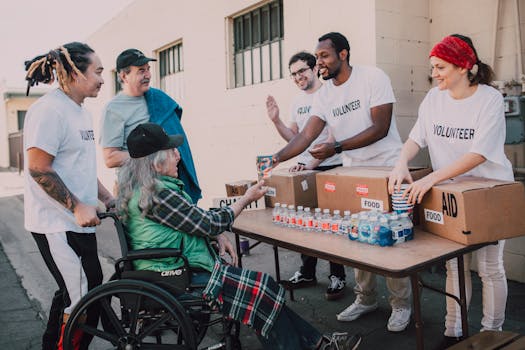
Volunteers distribute bottled water and supplies to diverse individuals in an outdoor setting, showcasing community support. Photo: RDNE Stock project / Pexels
The benefits of volunteering for nonprofits extend far beyond the immediate tasks performed, profoundly impacting both individual well-being and broader community cohesion. Socially, volunteering acts as a powerful bridge, connecting individuals from diverse backgrounds who share a common commitment to a cause. This shared purpose fosters a sense of belonging and creates opportunities for new friendships and professional networking. In an increasingly isolated world, these connections are invaluable. Volunteers often form strong bonds with their fellow team members, sharing experiences, celebrating successes, and supporting each other through challenges. These relationships can develop into enduring friendships, enriching one's social life and providing a vital support system. For individuals new to a city or experiencing life transitions, volunteering can be an excellent way to integrate into a community and establish meaningful connections. Moreover, these interactions often expose individuals to different perspectives and life experiences, promoting empathy and understanding across various demographics. Beyond the social aspect, numerous studies have highlighted the significant health benefits associated with volunteering. Engaging in altruistic activities has been shown to reduce stress, combat depression, and increase overall happiness. The act of helping others triggers the release of endorphins, often referred to as the 'helper's high,' which creates a feeling of well-being and contentment. This positive feedback loop encourages continued engagement and reinforces the mental health benefits. For example, a retiree who volunteers at a local library might find renewed purpose and social interaction, combating feelings of loneliness and isolation that can often accompany retirement. Physically, depending on the nature of the volunteer work, there can also be direct health advantages. Activities like working at a community garden, participating in charity runs, or helping with construction projects for housing initiatives can provide a form of exercise, contributing to improved physical fitness. Even less physically demanding roles, such as administrative tasks or mentoring, often require a degree of active engagement that keeps the mind sharp and body moving more than sedentary alternatives. The structure and routine that volunteering provides can also be beneficial, particularly for individuals seeking stability or a sense of purpose. It offers a reason to get up and be active, contributing to a healthier lifestyle overall. The positive impact on mental health is particularly noteworthy. Volunteering can be a powerful antidote to anxiety and depression by shifting focus away from personal worries and towards the needs of others. The sense of accomplishment and pride derived from making a difference can significantly boost self-esteem and confidence. This holistic improvement in well-being underscores why so many people find volunteering to be a deeply rewarding and enriching experience. It's not just about what you give; it's profoundly about what you gain in return, creating a healthier, happier, and more connected individual and, by extension, a stronger, more resilient community. The symbiotic relationship between individual well-being and community health is beautifully illustrated by the act of volunteering, where each benefits the other in a continuous, positive feedback loop. This collective effort strengthens the fabric of society, making communities more vibrant and supportive places to live and thrive. It's a testament to the power of human connection and shared purpose in addressing societal challenges and fostering a better world for all. Furthermore, the act of volunteering often instills a greater sense of civic responsibility and engagement, encouraging individuals to become more active participants in their local communities and beyond. This heightened awareness of community needs and the desire to contribute positively can lead to further advocacy and involvement, creating a ripple effect of positive change. When individuals feel a strong connection to their community, they are more likely to invest their time and energy in its betterment, leading to a more vibrant and resilient society. This civic engagement is a cornerstone of a healthy democracy and a thriving community. It ensures that diverse voices are heard and that collective action can be mobilized to address pressing social issues. For instance, volunteers who assist with voter registration drives or participate in local clean-up initiatives directly contribute to the health and functionality of their communities. These seemingly small acts of service coalesce into significant positive impacts, demonstrating the profound social benefits of volunteering for nonprofits. The networks formed during volunteering also extend beyond personal friendships; they can become valuable professional connections. Meeting people from different industries and backgrounds can open doors to new career opportunities, mentorship, or collaborative projects. This networking aspect is often an unexpected but welcome benefit, particularly for those looking to expand their professional horizons or seek new employment. The shared experience of working towards a common goal creates a unique bond that can transcend typical professional interactions, leading to more authentic and lasting connections. This blend of social, health, and professional benefits makes volunteering a truly holistic activity, enriching every facet of an individual's life while simultaneously empowering nonprofit organizations to achieve their critical missions.

Maximizing Your Volunteer Experience: Tips for Lasting Impact

A diverse group of young volunteers organizing donations indoors with a cheerful atmosphere. Photo: Gustavo Fring / Pexels
To truly unlock the myriad benefits of volunteering for nonprofits, it's essential to approach the experience with intentionality and a desire for sustained engagement. Simply showing up is a start, but maximizing your impact and personal growth requires a thoughtful strategy. Here are some key tips to ensure your volunteer journey is rewarding for both you and the organization: * **Align with Your Values:** The most fulfilling volunteer experiences come from causes you genuinely care about. Take time to reflect on your passions, beliefs, and the issues that stir your empathy. When your values align with a nonprofit's mission, your commitment will be stronger, and your contributions more authentic and impactful. This intrinsic motivation is key to long-term engagement and satisfaction. * **Be Realistic About Your Availability:** Honesty about your time commitment is crucial. It's better to commit to a few hours consistently than to overpromise and underdeliver. Nonprofits rely on reliable volunteers, so understanding your schedule and communicating it clearly from the outset will prevent burnout for you and disappointment for the organization. Consistency often trumps sporadic, large efforts. * **Communicate Openly:** Maintain clear and regular communication with the nonprofit staff and your fellow volunteers. If your availability changes, if you have questions, or if you encounter challenges, speak up. Open dialogue ensures that tasks are completed efficiently, potential issues are addressed quickly, and everyone feels supported. Good communication fosters a positive and productive environment. * **Embrace Learning and Flexibility:** Every volunteer role offers opportunities to learn new skills and adapt to different situations. Be open to taking on new tasks, learning new procedures, and stepping outside your comfort zone. Nonprofits often operate with limited resources, so a flexible attitude and willingness to help wherever needed are invaluable. This adaptability also enhances your personal skill set. * **Seek Feedback and Reflect:** Don't be afraid to ask for feedback on your performance. Constructive criticism can help you improve and become an even more effective volunteer. Equally important is taking time to reflect on your experiences. What did you learn? How did you grow? What impact did you make? This self-reflection deepens your understanding of your contributions and reinforces the personal benefits. * **Network Responsibly:** While networking is a natural benefit, remember that your primary purpose is to serve the nonprofit's mission. Build connections respectfully, focusing on collaborative efforts and shared goals. Authentic relationships built on shared purpose are far more valuable than transactional networking attempts. * **Understand Boundaries:** Know the limits of your role and the organization's policies. While passion is important, maintaining professional boundaries ensures a healthy and sustainable volunteer relationship. This includes respecting confidentiality and not overstepping into professional staff duties without proper training or authorization. By following these tips, you can transform your volunteer efforts into a profoundly impactful and personally enriching journey, creating lasting benefits for both yourself and the nonprofits you serve.

Comparison

AspectFormal Volunteering (Nonprofit)Informal Helping (Friends/Family)Donating Money
Structured Impact✓ Direct, organized contribution to specific missions✗ Often ad-hoc, less systemic impact✓ Supports mission, but no direct personal involvement
Skill Development✓ Opportunities for new professional/soft skills✗ Limited, usually uses existing skills✗ No direct skill development
Community Building✓ Connects with diverse, mission-driven individuals✓ Strengthens existing bonds✗ Limited direct social interaction
Personal Growth✓ Enhanced purpose, empathy, confidence✓ Satisfaction from helping loved ones✓ Sense of altruism
Professional Networking✓ Exposure to diverse professionals and fields✗ Limited beyond existing circles✗ No direct networking
Time Commitment✓ Requires scheduled, consistent time✓ Flexible, as needed✗ No time commitment

What Readers Say

"Volunteering at the local animal shelter has been incredibly rewarding. I've learned so much about animal care and feel a deep sense of purpose knowing I'm helping creatures in need. It's truly transformed my perspective on community involvement."

Sarah J. · Austin, TX

"I started volunteering with a youth mentorship program last year, and it's been amazing. Seeing the growth in my mentee and knowing I'm contributing to a brighter future for them is an unparalleled feeling. The benefits of volunteering for nonprofits are real."

David M. · Seattle, WA

"My experience volunteering for a food bank led to a significant career change. I used my marketing skills to help them with their outreach, and within a year, I was offered a part-time position. It's proof that giving back can open unexpected doors."

Maria L. · Chicago, IL

"While the initial training was a bit extensive for the role, the ongoing experience at the environmental cleanup group has been fantastic. It's great to get outdoors, meet like-minded people, and see the tangible improvements we make in our local parks. Highly recommend it for the community aspect."

Robert T. · Denver, CO

"As a busy professional, I thought I wouldn't have time, but even just a few hours a month helping with administrative tasks at a local arts nonprofit has boosted my mood and reduced stress. It's a wonderful way to give back and feel connected to something bigger than myself."

Jessica K. · Miami, FL

Frequently Asked Questions

What are the primary benefits of volunteering for nonprofits?

The primary benefits are extensive, including significant personal growth (skill development, enhanced self-esteem, reduced stress), positive community impact (supporting vital services, extending reach, fostering civic engagement), and social connections (building new relationships, networking opportunities). Volunteers are crucial for nonprofit operations and mission achievement.

I'm worried I don't have enough time to volunteer. How can I still contribute?

Many nonprofits offer flexible volunteer opportunities, from a few hours a month to project-based work. Even micro-volunteering tasks or virtual roles can make a difference. It's about finding a commitment that fits your schedule, and communicating your availability clearly to the organization. Every hour counts, regardless of frequency.

How do I find a reputable nonprofit to volunteer with?

Start by researching causes you care about. Websites like VolunteerMatch, Idealist, and Points of Light are excellent resources for finding local and national opportunities. You can also check the websites of local community centers, libraries, or directly contact nonprofits whose missions align with your interests. Always look for transparent organizations with clear missions.

Is there a financial cost associated with volunteering?

Generally, there is no financial cost to volunteer. Some organizations might ask for a small fee for background checks or specific training materials, but this is less common. Your primary contribution is your time and effort. Any expenses incurred (like travel) are typically your responsibility, though some organizations may offer reimbursement for specific roles.

How does volunteering differ from simply donating money?

While both are crucial for nonprofits, donating money provides financial resources, whereas volunteering offers direct engagement and human capital. Volunteering allows for personal skill development, social interaction, and a firsthand understanding of the cause, creating a unique and often more profoundly rewarding personal experience beyond financial contribution alone.

Who should consider volunteering for a nonprofit?

Anyone looking to make a positive impact, develop new skills, expand their social circle, or simply find a deeper sense of purpose should consider volunteering. It's beneficial for students, professionals, retirees, and individuals from all walks of life who want to contribute their time and talents to a cause greater than themselves.

Are there any risks or downsides to volunteering?

Potential downsides are minimal but can include emotional burnout if you overcommit, exposure to challenging situations depending on the cause, or occasional mismatches in expectations. It's important to choose a role that aligns with your capacity, communicate openly, and ensure the organization provides adequate support and training to mitigate these risks.

What is the future trend for volunteering in the US?

Trends suggest a continued strong demand for volunteers, particularly in areas like environmental conservation, social justice, and health services. There's also a growing emphasis on skills-based volunteering and virtual opportunities, allowing for greater flexibility and leveraging professional expertise. The future of volunteering is increasingly diverse, digital, and impactful.

Embrace the profound benefits of volunteering for nonprofits today. Your time and passion are invaluable assets that can transform lives, strengthen communities, and enrich your own journey in ways you never imagined. Discover a cause that resonates with you and start making a difference – the world needs your unique contributions.

Topics: benefits of volunteering for nonprofitsvolunteer impactcommunity engagementpersonal growth volunteeringnonprofit support
Leo List

IE Escorts NO Escorts US Escorts NZ Escorts AU Escorts
Brampton weed
Adultwork EstrelaBet Vai de Bet R7 Bet Betão Galera Bet Rainbet Bet9ja Shop SportyBet BetKing Sisal Loto Foot Hollywoodbets YesPlay Odibets RushBet Jugabet BetWarrior BetCity MSport betPawa Fortebet