

Unlocking the Rewards: Benefits of Volunteering for a Nonprofit
benefits of volunteering for a nonprofit

Unlocking the Rewards: Benefits of Volunteering for a Nonprofit

Group of diverse volunteers smiling while sorting clothes at a charity donation center.Photo: Julia M Cameron / Pexels

Unlocking the Rewards: Benefits of Volunteering for a Nonprofit

Transform lives, build skills, and make a tangible difference in your community by dedicating your time.

Find Your Cause

Key Takeaways

  • ✓ Over 60 million Americans volunteer annually, contributing billions of hours.
  • ✓ Volunteering is linked to lower rates of depression and increased life satisfaction.
  • ✓ Many employers view volunteer experience as valuable, enhancing career prospects.
  • ✓ Volunteers often develop new skills, expand their networks, and gain fresh perspectives.

How It Works

1
Identify Your Passions

Consider what causes resonate with you most, whether it's animal welfare, education, environmental protection, or social justice. Aligning with your values makes the experience more fulfilling.

2
Research Nonprofit Organizations

Look for local or national nonprofits working in your areas of interest. Explore their mission, programs, and volunteer opportunities available to ensure a good fit.

3
Connect and Apply

Reach out to the organizations directly through their websites or volunteer portals. Complete any required applications, attend orientation, and prepare for your role.

4
Engage and Reflect

Dedicate your time and skills wholeheartedly to your chosen cause. Regularly reflect on your contributions and the impact you're making, both on the organization and on yourself.

Personal Growth and Skill Development through Community Service
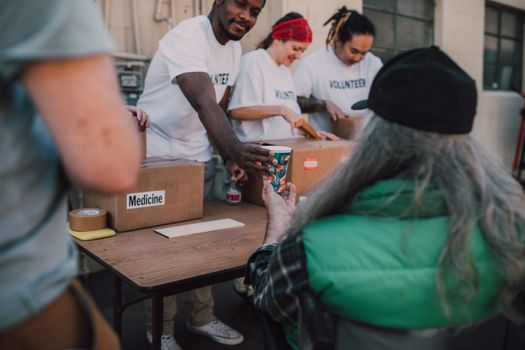
Volunteers handing out donations and support to those in need at a community event.Photo: RDNE Stock project / Pexels
Volunteering for a nonprofit organization is far more than just giving your time; it's an investment in your personal and professional development. Many individuals embarking on a volunteer journey are initially driven by altruism, a desire to 'do good' or 'give back.' While these motivations are incredibly powerful and noble, the unexpected dividends that accrue to the volunteer themselves are often profound and long-lasting. One of the most significant benefits is the unparalleled opportunity for personal growth. Stepping outside of your comfort zone, engaging with diverse populations, and confronting real-world challenges can dramatically reshape your perspective. You might find yourself developing a deeper sense of empathy and understanding for different walks of life, fostering a more compassionate worldview. This expansion of emotional intelligence is invaluable, not just in your personal relationships but also in navigating complex professional environments. Beyond personal growth, volunteering is a fertile ground for skill development. Think about the myriad tasks involved in running a nonprofit: event planning, marketing, fundraising, data entry, mentorship, direct service, and even strategic planning. As a volunteer, you can gain hands-on experience in areas you might never encounter in your regular employment or academic pursuits. For instance, organizing a community fundraiser could hone your project management, communication, and negotiation skills. Working with underserved populations might enhance your problem-solving abilities and cross-cultural communication. For those looking to pivot careers or enter the workforce, this practical experience can be a game-changer. It provides tangible examples of your capabilities, demonstrates initiative, and fills resume gaps. Furthermore, many nonprofits offer training sessions for their volunteers, providing formal learning opportunities that might otherwise require significant financial investment. The skills acquired are often highly transferable, making you a more versatile and attractive candidate in any field. The ability to work collaboratively, adapt to new situations, and show leadership are all competencies frequently cultivated through dedicated volunteer work. These aren't just 'soft skills'; they are critical attributes highly valued by employers across all sectors, making the benefits of volunteering for career advancement truly substantial. The experience of making a tangible difference can also boost self-esteem and confidence, knowing that your efforts contribute to a greater good.

Boosting Mental Health and Fostering Social Connections

In an increasingly isolated world, the benefits of volunteering for a nonprofit extend significantly into the realms of mental health and social well-being. Numerous studies have consistently shown a strong correlation between volunteering and improved psychological health. The act of helping others triggers the release of 'feel-good' chemicals in the brain, such as dopamine and oxytocin, leading to what many researchers refer to as the 'helper's high.' This natural mood booster can alleviate symptoms of stress, anxiety, and even depression. By shifting focus from personal worries to the needs of others, individuals often gain a renewed sense of purpose and perspective, which can be incredibly therapeutic. The routine and structure that volunteering can provide also contribute to mental stability, offering a predictable and positive outlet for energy. Moreover, volunteering is a powerful antidote to loneliness and social isolation. When you volunteer, you become part of a team, a community united by a shared mission. This creates an immediate bond with fellow volunteers and staff members, leading to the formation of new friendships and professional connections. These relationships are often built on a foundation of shared values and mutual respect, fostering deeper and more meaningful interactions than casual acquaintances. For individuals new to a city, retirees, or those seeking to expand their social circle, a nonprofit provides an inclusive environment where connections are naturally forged. You'll meet people from diverse backgrounds, ages, and professions, all brought together by a common cause. This expanded social network not only enriches your personal life but can also open doors professionally, offering mentorship opportunities, job leads, or simply a sounding board for ideas. The sense of belonging to something larger than oneself is a fundamental human need, and volunteering provides a tangible way to fulfill it. This interconnectedness not only benefits the individual volunteer but also strengthens the social fabric of the community, creating a more resilient and supportive environment for everyone. The regular interaction and shared goals naturally lead to stronger ties, combating feelings of alienation and building a robust support system.

Making a Tangible Impact and Contributing to Community Well-being

Perhaps the most intuitive and deeply satisfying of all the benefits of volunteering for a nonprofit is the profound sense of making a tangible impact. Unlike simply donating money, which is undoubtedly crucial, volunteering allows you to directly witness the fruits of your labor and understand the real-world implications of your efforts. Whether you're serving meals at a homeless shelter, tutoring a child, cleaning up a local park, or assisting with administrative tasks, your contribution directly supports the nonprofit's mission and benefits the community it serves. This direct involvement provides a unique insight into the challenges facing society and the innovative solutions being implemented by dedicated organizations. It moves abstract problems into concrete realities, fostering a deeper understanding and appreciation for the work being done on the ground. This direct impact creates a powerful feedback loop: your actions lead to positive change, which in turn reinforces your commitment and satisfaction. This sense of efficacy – the belief that you can make a difference – is incredibly empowering. It combats feelings of helplessness and instills a sense of agency, demonstrating that individual actions collectively contribute to significant societal improvements. For example, a volunteer dedicating hours to environmental cleanup can see the immediate result of a cleaner park or beach, while someone mentoring a student can track their academic progress and emotional growth. This direct observation of positive outcomes is a major motivator for continued engagement. Furthermore, volunteering strengthens the overall well-being of the community. Nonprofits often fill critical gaps in public services, addressing needs that government or private sectors cannot fully meet. Volunteers are the lifeblood of these organizations, enabling them to expand their reach and provide essential services. Without their dedicated efforts, many vital programs would simply not exist or would be severely limited. By contributing your time, you are directly supporting the social safety net, promoting education, advocating for human rights, protecting the environment, and fostering cultural enrichment. This collective effort builds stronger, more resilient communities where everyone has the opportunity to thrive. It cultivates a culture of civic engagement and responsibility, inspiring others to get involved and creating a ripple effect of positive change. Understanding how your time contributes to the broader mission of a nonprofit's mission is key to appreciating this profound benefit. The collective hours contributed by volunteers translate into countless lives improved, environments protected, and communities strengthened, underscoring the indispensable role of volunteerism in a healthy society.

Maximizing Your Volunteer Experience: Tips for Success

To truly unlock the myriad benefits of volunteering for a nonprofit, approaching the experience with intention and an open mind is crucial. Here are some tips to help you maximize your impact and personal rewards: * **Choose Wisely and Align with Your Values:** Don't just pick the first opportunity you find. Take time to research organizations whose missions genuinely resonate with you. When you're passionate about the cause, your commitment will be stronger, and your experience more rewarding. Consider what societal issues you care most about and seek out nonprofits addressing them. * **Be Reliable and Punctual:** Nonprofits rely heavily on their volunteers. Treat your volunteer commitments with the same professionalism as you would a paid job. Show up on time, communicate any absences in advance, and follow through on your promises. Your reliability is critical to the organization's ability to plan and execute its programs. * **Communicate Openly:** Don't be afraid to ask questions, offer suggestions (respectfully), and seek clarification on tasks. Good communication ensures you understand your role, can perform it effectively, and feel integrated into the team. If you have concerns or need support, voice them. * **Be Proactive and Take Initiative:** While you'll likely be given specific tasks, look for opportunities to go above and beyond or identify areas where you can contribute more. If you see a need that aligns with your skills, offer to help. This demonstrates your commitment and can lead to more fulfilling responsibilities. * **Learn and Be Adaptable:** Every nonprofit has its unique culture, processes, and challenges. Be open to learning new skills, adapting to different environments, and working with diverse groups of people. Flexibility is a highly valued trait in volunteers, especially in dynamic nonprofit settings. * **Reflect on Your Experience:** Periodically take time to reflect on what you're learning, the impact you're making, and how the experience is shaping you. Journaling or simply contemplating your volunteer work can help you appreciate the benefits and reinforce your commitment. This reflection deepens your understanding of the cause and your role within it. * **Network and Build Relationships:** Engage with fellow volunteers, staff, and beneficiaries. These connections can lead to new friendships, mentorship opportunities, and professional contacts. Building a strong network within the nonprofit sector can be invaluable for future endeavors. * **Understand Boundaries and Self-Care:** While passion is important, it's also crucial to avoid burnout. Understand your limits, don't overcommit, and prioritize your own well-being. Taking breaks and practicing self-care ensures you can sustain your volunteer efforts long-term without compromising your health. By following these tips, you can transform your volunteer experience from a simple act of giving into a profoundly enriching journey of personal growth, community impact, and lasting satisfaction.

Comparison

Benefit CategoryVolunteering for a NonprofitTraditional Paid WorkCasual Hobbies
Personal GrowthHigh (Empathy, purpose, new perspectives)Moderate (Skill-specific, career-focused)Moderate (Leisure-focused, self-improvement)
Skill DevelopmentHigh (Diverse, transferable, hands-on)High (Specialized, industry-specific)Low to Moderate (Personal skills, niche)
Social ConnectionHigh (Shared values, diverse network)Moderate (Workplace colleagues)Moderate (Shared interests, specific groups)
Mental Well-beingHigh (Helper's high, reduced stress)Variable (Stressful or fulfilling)Moderate (Relaxation, enjoyment)
Community ImpactDirect & TangibleIndirect (Economic contribution)Minimal (Personal enjoyment)
Career EnhancementSignificant (Resume builder, networking)Primary (Income, professional growth)Low (Limited, unless directly related)
Sense of PurposeVery High (Mission-driven)Variable (Depends on role/company)Variable (Personal fulfillment)

What Our Readers Say

5 ★★★★★

"Volunteering at the local animal shelter has been incredibly rewarding. I've learned so much about animal care and feel a deep sense of purpose knowing I'm helping these creatures find loving homes. It's truly a highlight of my week."

5 ★★★★★

"As a retiree, I wanted to stay active and engaged. Tutoring children through a literacy program has given me new energy and connections. The smiles on their faces when they grasp a new concept are priceless."

5 ★★★★★

"I started volunteering for an environmental group to gain experience in conservation. Within six months, I was leading small project teams and my communication skills improved dramatically. It directly led to my first job in the environmental sector!"

4 ★★★★☆

"While the time commitment can sometimes be challenging with my work schedule, the camaraderie with other volunteers at the food bank makes it worthwhile. It's a great way to give back and meet passionate people, though it took a bit to find my rhythm."

5 ★★★★★

"After moving to a new city, I felt isolated. Volunteering with a community garden project not only helped me meet amazing people but also taught me about sustainable living. It's truly transformed my social life and my perspective."

Frequently Asked Questions

What are the primary benefits of volunteering for a nonprofit?
The primary benefits include significant personal growth, the development of valuable transferable skills, enhanced mental well-being, expanded social networks, and the profound satisfaction of making a tangible, positive impact on your community and the causes you care about. It's a holistic experience that enriches both the giver and the receiver.
I'm worried I don't have enough time to volunteer. How can I still contribute?
Many nonprofits offer flexible volunteer opportunities, from a few hours a month to project-based tasks that can be completed remotely or on your own schedule. Don't feel pressured to commit to a large amount of time; even a small, consistent contribution can make a significant difference. Start by looking for micro-volunteering or event-based roles.
How do I find a reputable nonprofit to volunteer with?
Start by searching online platforms like VolunteerMatch, Idealist, or your local United Way. You can also contact your local community center or library for lists of local organizations. Always check a nonprofit's website for their mission, programs, and financial transparency (e.g., via Charity Navigator or GuideStar) to ensure they align with your values and are legitimate.
Does volunteering really help with career advancement?
Absolutely. Volunteering demonstrates initiative, dedication, and the ability to work in a team. It allows you to gain practical experience, develop new skills, and expand your professional network, all of which are highly valued by employers. It can also fill resume gaps and provide excellent material for interviews, showcasing your commitment and capabilities.
Is there a risk of emotional burnout when volunteering for sensitive causes?
Yes, it's a valid concern, especially when volunteering for causes dealing with trauma or intense human suffering. Nonprofits that work in sensitive areas often provide support, training, and debriefing for their volunteers. It's crucial to practice self-care, set boundaries, and communicate with the organization if you're feeling overwhelmed. Your well-being is important.
Who should consider volunteering for a nonprofit?
Anyone looking to make a positive difference, develop new skills, expand their social circle, boost their mental well-being, or gain valuable experience for their career should consider volunteering. It's suitable for students, professionals, retirees, and anyone with a passion for a cause, regardless of their background or current life stage.
Are there any financial implications or costs associated with volunteering?
While volunteering is unpaid, some roles might require background checks (which the nonprofit often covers), specific training, or occasionally, volunteers might incur small costs for transportation or meals. However, most organizations strive to minimize financial burdens on their volunteers, and some may even offer reimbursement for approved expenses. Always clarify any potential costs upfront.
How has the landscape of volunteering changed in recent years?
The landscape has evolved significantly, with a growing emphasis on skill-based volunteering, remote opportunities, and shorter-term, project-based engagements. Technology has also made it easier to find and connect with organizations globally. There's also an increased awareness among nonprofits of the need to provide meaningful and well-supported experiences for their volunteers to ensure retention and impact.

Embrace the profound and multifaceted benefits of volunteering for a nonprofit. Your time and dedication are invaluable, not only to the causes you support but also to your personal growth, well-being, and professional journey. Discover your passion, lend your skills, and become part of a movement that creates lasting, positive change in the world.

Topics: benefits of volunteering for a nonprofitvolunteer impactcommunity service advantagespersonal growth through volunteeringnonprofit engagement
Leo List
Brampton weed
Adultwork